Introduction
Fire protection systems are designed to protect lives, property, and business operations during fire emergencies. They detect fires in their early stages, alert occupants, activate suppression systems, and support safe evacuation. However, these systems can only perform effectively if they receive regular maintenance. This is why Bảo trì hệ thống PCCC is considered one of the most important responsibilities in building safety management.
Bảo trì hệ thống PCCC is a systematic process that includes inspection, testing, cleaning, servicing, repairing, calibrating, and replacing fire protection equipment. Every maintenance activity is designed to ensure that each component operates correctly whenever an emergency occurs. Without routine maintenance, equipment may deteriorate over time, increasing the risk of system failure when it is needed most.
Understanding the essential steps involved in Bảo trì hệ thống PCCC helps building owners, facility managers, and maintenance teams develop more effective fire safety programs. This article explains the major stages of fire protection system maintenance and why each step is critical for long-term reliability.
Understanding Fire Protection Systems
A complete fire protection system consists of multiple interconnected components that work together during emergencies.
These systems typically include:
- Fire alarm systems
- Smoke detectors
- Heat detectors
- Automatic sprinkler systems
- Fire pumps
- Fire hydrants
- Fire extinguishers
- Emergency lighting
- Exit signs
- Smoke control systems
- Emergency communication equipment
Every component requires regular attention to ensure dependable operation.
Step 1: Planning the Maintenance Program
Effective maintenance begins with careful planning.
Organizations should develop a maintenance schedule that specifies:
- Daily inspections
- Weekly checks
- Monthly servicing
- Quarterly testing
- Semi-annual inspections
- Annual comprehensive evaluations
The schedule should consider:
- Building size
- Equipment type
- Occupancy levels
- Fire risks
- Manufacturer recommendations
- Applicable safety regulations
A structured plan ensures that no equipment is overlooked.
Step 2: Conducting Visual Inspections
Visual inspections are the first stage of routine maintenance.
Technicians inspect equipment for visible signs of damage, including:
- Corrosion
- Water leaks
- Physical damage
- Missing components
- Loose wiring
- Dust accumulation
- Blocked access
Although visual inspections cannot identify every problem, they often reveal issues requiring immediate attention.
Step 3: Inspecting Fire Alarm Systems
Fire alarm systems provide the earliest warning during emergencies.
Maintenance technicians inspect:
- Alarm control panels
- Manual call points
- Smoke detectors
- Heat detectors
- Sirens
- Flashing lights
- Communication modules
- Backup batteries
They verify that alarms activate correctly and communicate throughout the entire building.
Reliable alarms significantly improve emergency response.
Step 4: Testing Smoke Detectors
Smoke detectors are responsible for detecting fires before flames spread.
Routine maintenance includes:
- Cleaning sensor chambers
- Sensitivity testing
- Functional testing
- Electrical inspections
- Replacing damaged detectors
Dust and contamination can reduce detector performance, making regular cleaning essential.
Step 5: Inspecting Heat Detectors
Heat detectors are commonly installed in industrial environments, kitchens, and equipment rooms.
Maintenance activities include:
- Temperature response testing Bảo trì hệ thống PCCC
- Cleaning
- Wiring inspections
- Physical condition assessment
- Functional verification
Proper maintenance ensures reliable fire detection in specialized environments.
Step 6: Servicing Automatic Sprinkler Systems
Automatic sprinkler systems provide immediate fire suppression.
Routine inspections include checking:
- Sprinkler heads
- Pipes
- Control valves
- Pressure gauges
- Water flow switches
- Water storage tanks
- Drain systems
Technicians also inspect for:
- Corrosion
- Leaks
- Blockages
- Mechanical damage
- Obstructed sprinkler heads
Maintaining unobstructed water flow is critical for effective suppression.
Step 7: Testing Fire Pumps
Fire pumps supply the water pressure required for sprinkler systems and hydrants.
Maintenance includes:
- Automatic start testing
- Pressure measurements
- Motor inspections
- Lubrication
- Electrical testing
- Fuel inspection for diesel pumps
- Cooling system checks
Routine testing confirms pumps can deliver adequate water pressure during emergencies.
Step 8: Inspecting Fire Hydrants
Fire hydrants provide firefighters with access to reliable water supplies.
Routine inspections verify:
- Water pressure
- Valve operation
- Hose connections
- Accessibility
- Physical condition
- Leak detection
Hydrants should remain free from obstructions at all times.
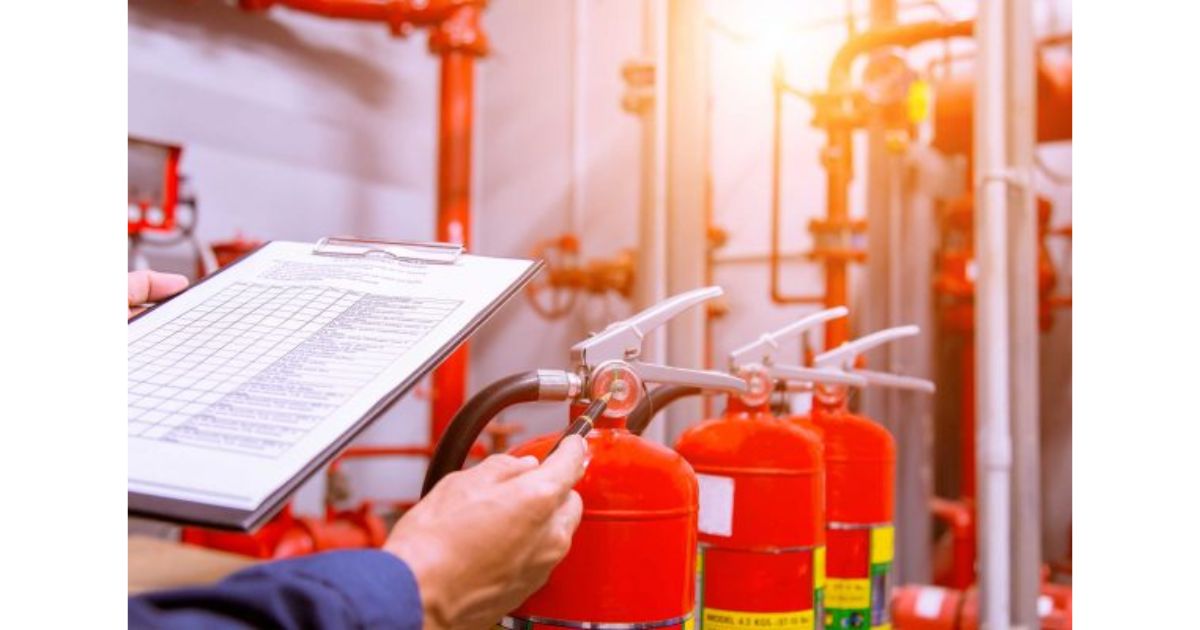
Step 9: Servicing Fire Extinguishers
Portable fire extinguishers are essential for controlling small fires before they spread.
Maintenance includes:
- Pressure gauge inspection
- Hose examination
- Seal verification
- Weight checks
- Physical condition assessment
- Accessibility confirmation
- Recharging or replacement when necessary
Proper maintenance ensures extinguishers remain ready for immediate use.
Step 10: Inspecting Emergency Lighting
Emergency lighting provides illumination during power failures.
Routine servicing includes:
- Battery testing
- Charging system inspection
- Light output verification
- Fixture cleaning
- Replacement of defective units
Reliable emergency lighting supports safe evacuation.
Step 11: Checking Exit Signs
Exit signs guide occupants toward safe exits during emergencies.
Maintenance includes:
- Illumination testing
- Battery verification
- Visibility inspections
- Physical condition assessment
- Cleaning sign surfaces
Clearly visible exit signs improve evacuation efficiency.
Step 12: Inspecting Smoke Control Systems
Large buildings often include smoke management equipment.
Maintenance includes testing:
- Smoke exhaust fans
- Air dampers
- Ventilation controls
- Control panels
- Automatic activation systems
Effective smoke control improves visibility and reduces smoke inhalation risks.
Step 13: Testing Emergency Communication Systems
Emergency communication systems provide important instructions during fire incidents.
Routine inspections verify:
- Public address systems
- Emergency telephones
- Communication panels
- Voice evacuation systems
- Backup power supplies
Reliable communication improves coordination during emergencies.
Step 14: Repairing Identified Problems
Any defects discovered during inspections should be repaired immediately.
Common repairs include:
- Replacing damaged detectors
- Repairing wiring
- Replacing batteries
- Repairing leaks
- Servicing pumps
- Replacing sprinkler heads
- Repairing alarm panels
Prompt repairs prevent minor issues from becoming major failures.
Step 15: Replacing Worn Components
Every fire protection component has a limited service life.
Items commonly replaced include:
- Batteries
- Smoke detectors
- Heat detectors
- Pressure gauges
- Alarm sounders
- Sprinkler heads
- Rubber seals
Replacing aging components improves overall system reliability.
Step 16: Conducting Functional Testing
Functional testing confirms that systems operate correctly under simulated emergency conditions.
Testing may include:
- Alarm activation
- Sprinkler flow testing
- Pump operation
- Emergency lighting duration
- Communication system operation
- Detector response testing
Functional testing provides confidence that equipment will perform during real emergencies.
Step 17: Documenting Maintenance Activities
Accurate documentation is an essential part of Bảo trì hệ thống PCCC.
Maintenance records should include:
- Inspection dates
- Equipment tested
- Test results
- Repairs completed
- Replacement parts installed
- Technician observations
- Future recommendations
Comprehensive documentation supports regulatory compliance and long-term maintenance planning.
Step 18: Reviewing System Performance
After maintenance is complete, organizations should review overall system performance.
Facility managers should evaluate:
- Equipment reliability
- Inspection findings
- Repair frequency
- Maintenance costs
- Recurring problems
- Opportunities for improvement
Continuous evaluation strengthens future maintenance programs.
Common Challenges During Maintenance
Maintenance teams often encounter several challenges.
These include:
Aging Equipment
Older systems require additional inspections and more frequent replacement parts.
Environmental Conditions
Dust, humidity, vibration, and chemicals accelerate equipment deterioration.
Busy Operations
Scheduling maintenance without interrupting business activities can be difficult.
Limited Resources
Budget limitations sometimes delay preventive maintenance.
Recognizing these challenges helps organizations develop practical maintenance strategies.
Best Practices for Effective Maintenance
Successful Bảo trì hệ thống PCCC programs follow several important practices.
Maintain a Regular Schedule
Perform inspections consistently according to planned intervals.
Hire Qualified Technicians
Experienced professionals provide more accurate inspections and repairs.
Perform Preventive Maintenance
Address minor issues before they become serious failures.
Train Employees
Staff should understand basic fire protection equipment and report visible problems.
Utilize Modern Technology
Digital maintenance software and smart monitoring systems improve inspection accuracy and scheduling.
Conclusion
Bảo trì hệ thống PCCC is a comprehensive process that involves much more than simple equipment inspections. From planning maintenance schedules and conducting visual inspections to testing alarms, servicing sprinklers, inspecting fire pumps, documenting repairs, and evaluating overall system performance, every step contributes to reliable fire protection.
A structured maintenance program ensures that fire protection systems remain fully operational throughout their service life. By following these essential maintenance steps, organizations improve emergency preparedness, reduce fire-related risks, extend equipment lifespan, support regulatory compliance, and create a safer environment for employees, visitors, and property. Consistent Bảo trì hệ thống PCCC is a long-term investment in safety, operational continuity, and responsible facility management.